

5 Ways Technology is Messing up our Sleep

We all know that getting a good night’s sleep is important, but just how important is it? Well, according to Dr. David F. Dinges of the Division of Sleep and Chronobiology and Department of Psychiatry at the University of Pennsylvania School of Medicine, the first signs of lack of sleep are irritability and moodiness. If the person continues to not get enough rest, they will eventually start to experience apathy, slowed speech and flattened emotional responses, impaired memory, and an inability to be novel or to multitask. If you still do not take notice and get some shut eye, then what comes next can be physically disastrous.

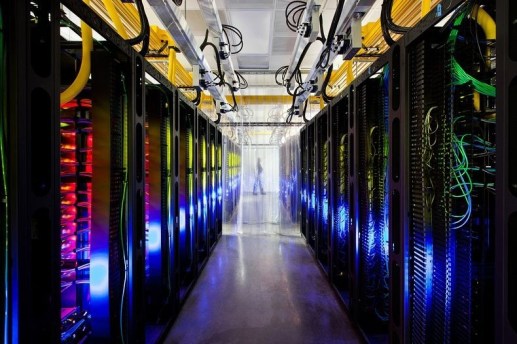
Inside Google’s Data Centers

Google has just launched a new site that offers visitors a glimpse into the massive data centers that power Google. The site features photographs from inside some of the eight data centers that Google Inc. runs in the U.S., Finland and Belgium. Google is also building data centers in Hong Kong, Taiwan, Singapore and Chile.

Virtual tours of a North Carolina data center also will be available through Google’s ‘Street View’ service.

You can read more about the history and evolution of Google’s infrastructure on this Wired article.

Ancient Astronomical Observatories of India

Between 1727 and 1734 Maharajah Jai Singh II of Jaipur, India, constructed five astronomical observatories in his native territory of west central India. The observatories called “Jantar Mantars” incorporate multiple buildings of unique form, each with a specialized function for astronomical measurement. These structures with their striking combinations of geometric forms at large scale, have captivated the attention of architects, artists, and art historians world wide, yet remain largely unknown to the general public.

Carbon Dioxide Snowfall on Mars?

NASA has ‘clear evidence’ of carbon dioxide snowfalls on Mars, the space agency revealed today – making this the only known example of carbon dioxide snow falling anywhere in our solar system.

Frozen carbon dioxide, better known as ‘dry ice’, requires temperatures of about -125C (-193F) which is much colder than needed for freezing water.