What if You Dropped Manhattan into the Grand Canyon?

gus-metro-merge-6[6]

Petro came to the Grand Canyon, one week after seeing New York City. The “contrast between the two was so strong and overwhelming that I had to express it somehow,” he was quoted as saying to the Atlantic Cities. So he created a photo project he calls “Merge”.

Paleolithic Cave Painters High on Psychedelics

informationtech-cavepainting

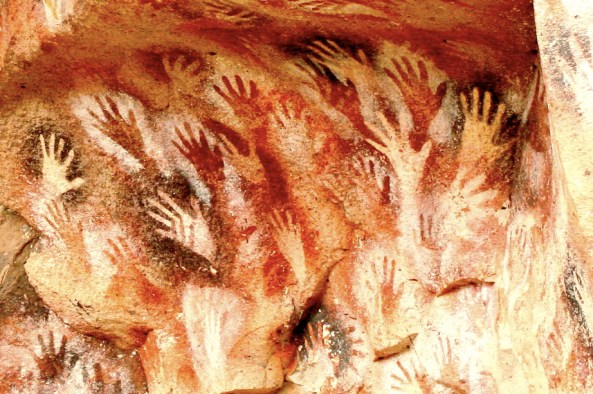
Prehistoric cave paintings across the continents have similar geometric patterns not because early humans were learning to draw like Paleolithic pre-schoolers, but because they were high on drugs, and their brains—like ours—have a biological predisposition to “see” certain patterns, especially during consciousness altering states.This thesis—that humanity’s earliest artists were not just reeling due to mind-altering activities, but deliberately sought those elevated states and gave greater meaning to those common visions—is the contention of a new paper by an international research team.

Their thesis intriguingly explores the “biologically embodied mind,” which they contend gave rise to similarities in Paleolithic art across the continents dating back 40,000 years, and can also be seen in the body painting patterns dating back even further, according to recent archelogical discoveries.

Gallery: What we think Martians look like

1_war-of-the-worlds-what-we-think-martians-look-like-130318

We’ve been conjecturing about life on Mars for centuries. In popular culture, the concept of intelligent life on Mars was championed by astronomer Percival Lowell in the late 1800s and his theories on the Martian canals. Science fiction writers — always game for some reckless conjecture — took up the banner from there. –GALLERY

Artist Turns Dead Trees into Artwork

dead-trees-artwork

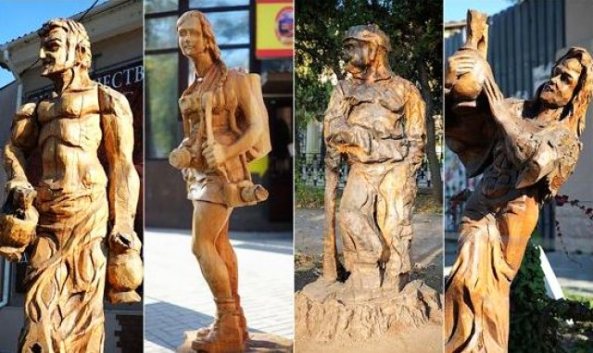
Not many took notice when the first wooden masterpieces started showing up in various areas of Simferopol, but in time the city became filled with them, and people began wondering who was behind them?

Photos of Bullets Sliced in Half

bullet-cross-section-56


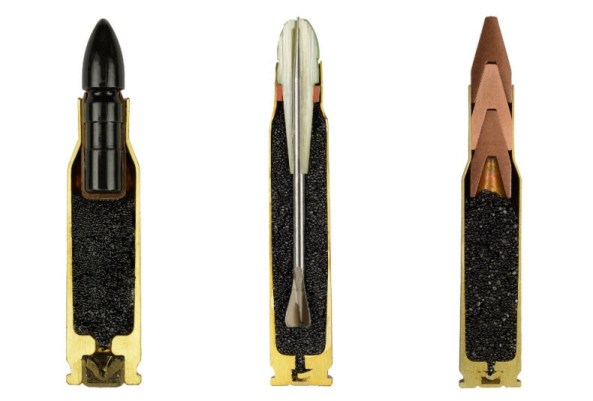
Sabine Pearlman‘s intriguing photo series “Ammo” features images of a variety of ammunitions that have been neatly cut in half to reveal the surprisingly varied and intricate contents inside. Pearlman shot a total of 900 cross-sections of ammo, in a World War II bunker in Switzerland last October, documenting the meticulous and dangerous beauty that lies beneath the bullets’ casings.

VIA: –AMUSING PLANET