If so, it’s off to a bad start.



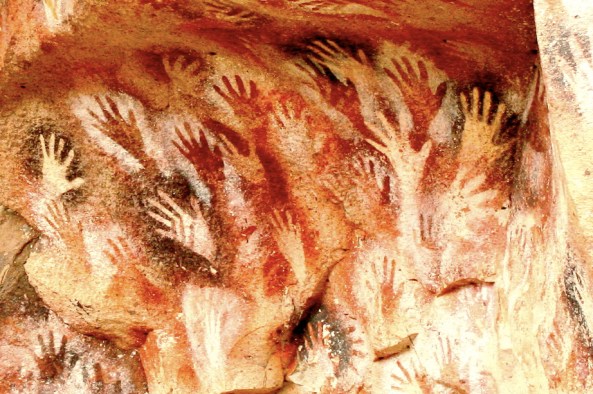
Prehistoric cave paintings across the continents have similar geometric patterns not because early humans were learning to draw like Paleolithic pre-schoolers, but because they were high on drugs, and their brains—like ours—have a biological predisposition to “see” certain patterns, especially during consciousness altering states.This thesis—that humanity’s earliest artists were not just reeling due to mind-altering activities, but deliberately sought those elevated states and gave greater meaning to those common visions—is the contention of a new paper by an international research team.
Their thesis intriguingly explores the “biologically embodied mind,” which they contend gave rise to similarities in Paleolithic art across the continents dating back 40,000 years, and can also be seen in the body painting patterns dating back even further, according to recent archelogical discoveries.

The boozing gene can be traced back 10million years to the common ancestor humans share with chimpanzees and gorillas, new research claims.

Recent research shows how pesky parasites may be affecting the behaviour of up to a reported 40% of the population.
 CONSPIRAPORN!